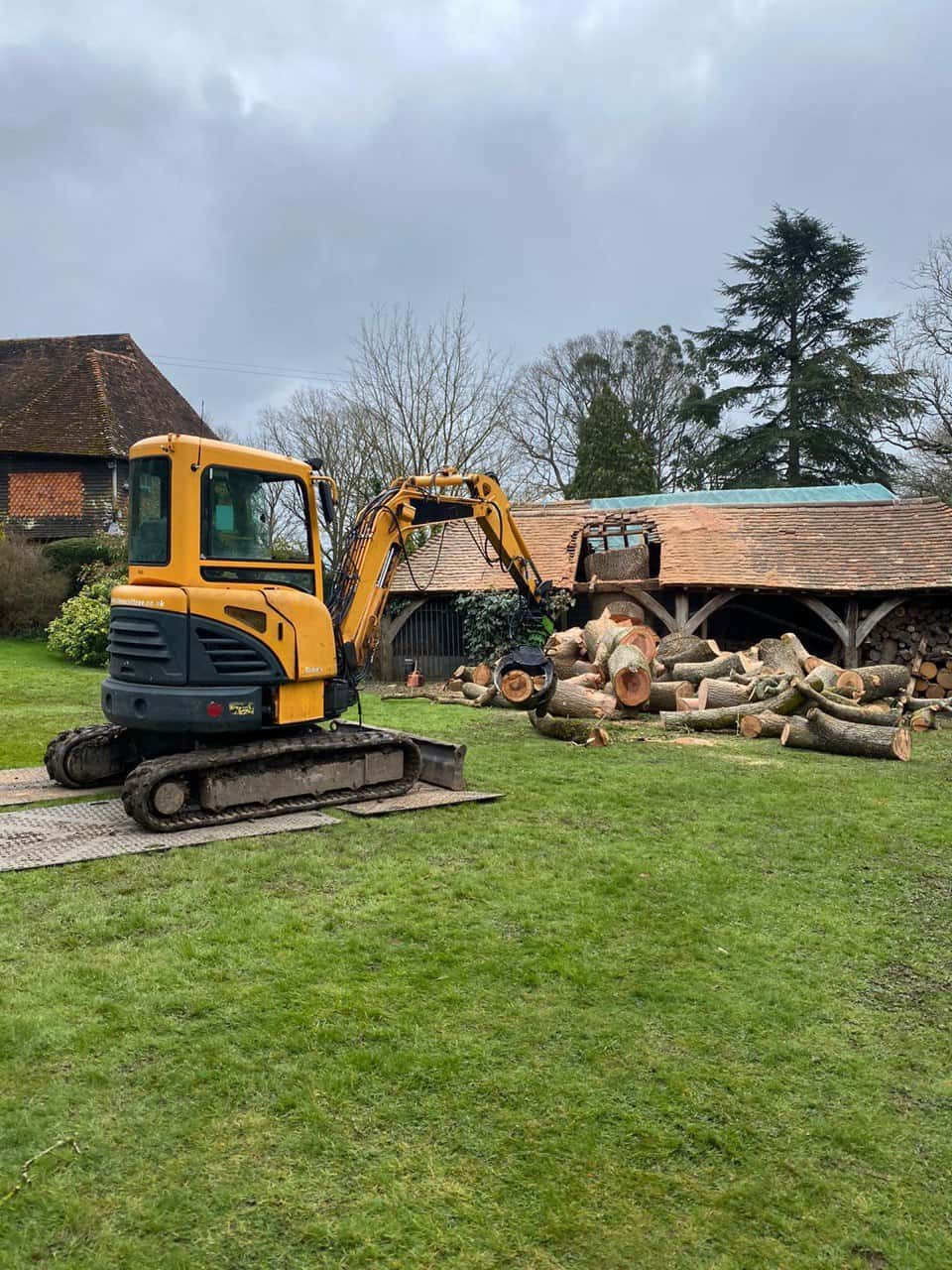
Sectional Dismantling: How Trees Are Safely Removed in Confined Spaces
Removing a tree can be challenging when it stands close to a house, garden wall, fence, shed or other obstacle. In these situations, felling the entire tree in one direction may not be practical or safe. Sectional dismantling provides a controlled alternative, allowing a tree to be removed piece by piece while reducing the risk of damage to its surroundings.
For homeowners and landowners in Wollaston, Northamptonshire, this method can be particularly useful where gardens are small or access is restricted. Wollaston Tree Surgeons provides professional tree surgery services, including planned tree removal designed to take account of the tree’s condition and the surrounding property.
What Is Sectional Tree Dismantling?
Sectional dismantling is a tree removal technique in which a tree is taken down in carefully managed sections rather than felled in a single operation. A tree surgeon typically works from the upper crown downwards, removing branches and sections of the trunk in a planned sequence.
This approach is useful when there is insufficient clear space for a tree to fall safely. It allows individual sections to be lowered or directed into suitable landing areas, helping protect nearby structures, garden features and other trees.
The method used depends on several factors, including the tree’s height, condition, branch structure and proximity to obstacles. A professional assessment determines how the work can be completed safely and efficiently.
When Is Sectional Dismantling Necessary?
1. Trees Growing Close to Buildings
Trees that grow beside houses, garages, conservatories or extensions can be difficult to remove using conventional felling methods. Even if the trunk is accessible, the crown may extend over the roof or across neighbouring structures.
Sectional dismantling allows branches and trunk sections to be removed in a controlled sequence, reducing the need for large sections to fall freely. Where necessary, specialist rigging equipment can be used to lower material carefully.
For property owners in Wollaston, this method can help manage tree removal in gardens where buildings leave little room to work.
2. Restricted Garden Access
Some properties have narrow side passages, enclosed gardens or limited access for machinery. Large trees may be impossible to remove using equipment that requires substantial ground space.
Sectional dismantling can provide a practical solution because the tree is removed gradually. However, the available access still needs to be assessed so that equipment, personnel and removed timber can be handled safely.
Wollaston Tree Surgeons can evaluate the site and identify a suitable approach based on the tree’s size, location and surrounding obstacles.
3. Trees Overhanging Fences, Paths and Garden Features
Branches may extend above fences, patios, sheds, greenhouses or areas used by people. Dropping large limbs without careful planning could damage these features or create a hazard.
During sectional dismantling, branches are removed in manageable pieces. Depending on the circumstances, sections may be lowered using ropes and rigging systems rather than allowed to fall directly to the ground.
This controlled process helps limit the impact on the surrounding garden and allows the tree surgeon to work around vulnerable features.
4. Damaged or Unsafe Trees in Confined Areas
Trees weakened by decay, storm damage or structural defects may be particularly difficult to remove. Damaged limbs can behave unpredictably, while compromised trunks may not support normal climbing or cutting methods.
A professional assessment is essential before work begins. The tree surgeon must determine whether the tree can be climbed safely or whether alternative equipment and techniques are needed.
Sectional dismantling may be appropriate, but the exact method must reflect the tree’s condition. Where climbing would be unsafe, a different removal strategy may be required.
How the Sectional Dismantling Process Works
Although every tree removal is different, sectional dismantling generally follows a carefully planned sequence.
1. Site Assessment and Planning
The tree surgeon examines the tree, its structure and the available working space. Nearby buildings, fences, overhead obstacles, access routes and suitable landing areas are considered before a removal plan is established.
The assessment also identifies potential hazards, such as unstable branches, decay or restricted working positions.
2. Removing the Crown
Work often begins with the upper branches, which are removed in manageable sections. The tree surgeon works progressively through the crown, maintaining control over the material being cut.
Where there is insufficient space to drop branches safely, rigging systems may be used to lower them to a designated area.
3. Dismantling the Trunk
Once the crown has been removed, the remaining trunk is cut down in sections from the top towards the base. The size of each section depends on the tree’s condition, the available space and the method being used to control the material.
Careful sequencing helps maintain stability throughout the operation.
4. Clearing the Site
After the tree has been dismantled, branches and timber are gathered and the work area is cleared. Depending on the requirements of the property owner, the remaining stump may be left in place or considered for separate stump removal.
The final site condition and any additional work should be agreed as part of the overall plan.
Why Professional Sectional Dismantling Matters
Sectional tree dismantling involves working at height, handling heavy timber and managing the movement of cut sections. Without suitable training, specialist equipment and a clear plan, the work can present serious risks to people and property.
Professional tree surgeons understand how branch weight, tree structure and rigging techniques affect the removal process. They can adapt the method to the available space and identify when a particular technique is unsuitable.
For properties in Wollaston, Northamptonshire, professional planning is especially important where trees are close to buildings or where narrow access makes removal more complex.
Wollaston Tree Surgeons can assess your tree and recommend a suitable removal method based on the conditions at your property.
Conclusion
Sectional dismantling is a practical solution for removing trees where confined spaces make conventional felling unsuitable. By taking the tree down in controlled sections, tree surgeons can manage the removal process while reducing the risk of damage to nearby buildings, fences and garden features.
If you have a tree that needs removing from a restricted space, Wollaston Tree Surgeons can assess the situation and advise on the most appropriate approach. Contact the team to discuss your requirements and arrange professional tree surgery in Wollaston, Northamptonshire.
Call us on: 01933 823 181
Click here to find out more about Wollaston Tree Surgeons
Click here to complete our contact form and see how we can help with your tree needs.